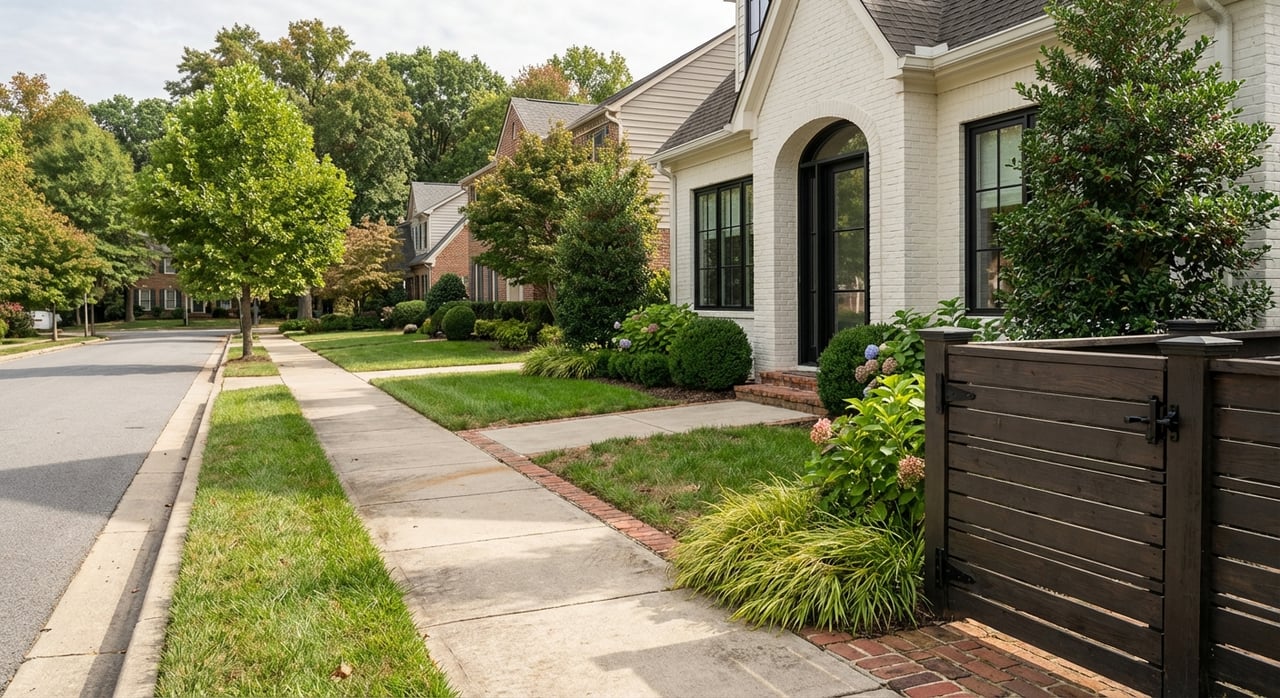
Thinking about living in Arlington, VA? You get urban energy, short commutes, and leafy neighborhoods in one compact county. Costs reflect the demand, but the day-to-day convenience is hard to match. You will see why so many professionals and families choose Arlington, along with what daily life actually looks like in each area. Let’s dive in.
Why Arlington works day to day
Arlington is built for convenience. Many neighborhoods are highly walkable, especially near Metrorail stations, and several village cores score in the 80s to 90s on Walk Score. That makes errands, dining, and transit an easy part of your routine. You can explore local walkability by block using the county’s Arlington page on Walk Score.
Transit-first planning is a hallmark here. The county’s classic model is the Rosslyn–Ballston corridor, a string of urban villages designed around Metro. If you value a quick, reliable ride to downtown DC, that corridor is a strong fit according to the county’s Rosslyn–Ballston Corridor planning overview.
Parks and open space are another daily-life win. Arlington consistently ranks among the top park systems in the country, with most residents a short walk from a playground, dog park, or trail. The county’s ParkScore recognition highlights that investment.
Neighborhoods at a glance
Rosslyn to Ballston corridor
This is the north-side spine of Arlington: Rosslyn, Courthouse, Clarendon, Virginia Square, and Ballston. You will find high-rise and mid-rise condos, apartments, and townhomes, plus dining, markets, and daily services within a few blocks. Clarendon leans lively with restaurants and nightlife, while Ballston mixes offices with family-friendly amenities around Ballston Quarter. A typical Saturday might be the farmers market in Clarendon, a bike along the trail, and dinner steps from home.
National Landing and Crystal City
South Arlington’s urban core includes Crystal City, Pentagon City, and Potomac Yard, an area often called National Landing. Recent investment and redevelopment, including Amazon HQ2 and new academic and innovation projects, have added restaurants, parks, and neighborhood energy. The county’s coverage of the emerging innovation district offers useful context on what is shaping the area now in National Landing’s innovation initiatives. If you want a walkable, transit-rich apartment lifestyle near Reagan National Airport, this cluster is worth a look.
North and inner neighborhoods
Lyon Village, Westover, Cherrydale, Arlington Ridge, and Aurora Highlands offer tree-lined streets and more single-family homes. You trade a bit of transit immediacy for yard space, local parks, and a quieter residential feel. Shopping and dining hubs are still a short drive or bike ride away, and blocks closest to Metro see higher walkability.
Columbia Pike corridor
Columbia Pike stretches across central and south Arlington with a neighborhood-focused, multicultural feel. You get independent eateries, grocery options, and community events at a more approachable price point compared to the densest Metro nodes. The corridor blends apartments, condos, and single-family pockets, and it is well served by local bus routes.
Shirlington and river areas
Shirlington centers on a compact main street with restaurants, a small theater, and everyday conveniences. Many residents choose it for the village vibe and trail access, even if it sits away from Metrorail. Along the river, the Mount Vernon Trail, Gravelly Point, and Theodore Roosevelt Island draw residents for regular runs, rides, and weekend picnics.
Getting around daily
Metrorail and rail
Arlington is served by the Blue, Orange, and Silver Lines, with stations in Rosslyn, Courthouse, Clarendon, Virginia Square, Ballston, Crystal City, and Pentagon City. That grid makes DC commutes straightforward for many residents. For a full station list and maps, see WMATA’s station guide.
Buses and local shuttles
Arlington Transit (ART) supplements Metro with neighborhood routes that link corridors and fill in first- and last-mile gaps. Columbia Pike routes and Ballston–Pentagon connections are popular patterns. You can review how ART complements Metro in the county’s overview of ART service.
Walk, bike, and car-light
Capital Bikeshare is widely available, with a heavy concentration near the main corridors. The county continues to add bike lanes and trail links, and the Mount Vernon Trail offers a scenic, off-street option along the Potomac. For a practical look at routes and tips, check the local guide to biking in Arlington.
Driving and express lanes
Key routes include I‑66 to the west, I‑395 and US‑1 to the south, Route 50 across the county, and the George Washington Memorial Parkway along the river. Peak congestion is common, and dynamic tolling on I‑66 can affect solo drivers during rush hours. Many households choose a car-light setup in the transit-rich cores and keep a car in lower-density areas.
On average, Arlington residents report a mean commute of about 26 minutes. If you live within the Rosslyn–Ballston corridor or National Landing, door-to-door transit commutes to central DC can be shorter.
Parks and weekly routines
Arlington invests heavily in parks, fields, and recreation centers, and most neighborhoods sit within a short walk of green space. Long Bridge Park near Crystal City combines fields, promenades, and an aquatics and fitness center. Gravelly Point is a popular stop to watch planes over the river, and Theodore Roosevelt Island offers easy wooded trails. Weekly farmers markets in Clarendon, Ballston, Rosslyn, Columbia Pike, and Westover add a steady local rhythm.
Schools and learning
Arlington Public Schools (APS) runs neighborhood schools and several option programs, including H‑B Woodlawn, immersion programs, and Arlington Tech. High schools include Washington‑Liberty, Yorktown, and Wakefield. For boundary details and program specifics, start with APS Schools & Programs.
Marymount University adds a higher-ed presence with a main campus in north Arlington and facilities in Ballston. Families and students appreciate the range of youth sports, libraries, and rec centers across the county.
Housing and costs
Arlington’s housing mix ranges from high-rise condos and apartments near Metro to single-family homes and townhouses in quieter pockets. Countywide, the median value of owner-occupied homes is about $895,000, and median gross rent is about $2,322. The owner-occupancy rate sits around 41 percent, which reflects a larger share of rentals in many village cores. Prices vary block to block, so plan for a neighborhood-specific review when you are ready to tour.
If you are selling, thoughtful preparation and timing matter. If you are buying, a clear search strategy, pre-approval, and a block-level look at transit, parking, and HOA or condo rules will help you make a confident choice.
Which Arlington fits you
- You want a short, reliable Metro commute: Look in Rosslyn, Courthouse, Clarendon, Ballston, Crystal City, and Pentagon City.
- You want more space and a yard: Explore Lyon Village, Westover, Cherrydale, Arlington Ridge, and Aurora Highlands.
- You prefer a diverse, neighborhood feel with many local restaurants: Walk the Columbia Pike corridor.
- You value village charm without Metro at the door: Consider Shirlington and nearby neighborhoods.
- You aim to live car-light: Focus on village cores with high walk and transit scores.
Plan your move
Buying or selling in Arlington should feel organized and well supported. If you are weighing trade-offs between commute, space, and budget, a block-level plan will save time and improve outcomes. When you are ready to map neighborhoods to your goals and timing, connect with Ira Hersh for senior-level, concierge guidance across the DC metro.
FAQs
What is the average commute time in Arlington?
- About 26 minutes on average, with shorter door-to-door times common in the Rosslyn–Ballston corridor and National Landing.
Is Arlington walkable for daily errands?
- Yes in many village cores, especially near Metro stations, where Walk Score ratings are often in the 80s to 90s.
Which Arlington neighborhoods are on Metrorail?
- Rosslyn, Courthouse, Clarendon, Virginia Square, Ballston, Crystal City, and Pentagon City have stations on the Blue, Orange, and Silver Lines.
How are public schools assigned in Arlington?
- APS uses neighborhood boundaries and offers option programs; check APS for current boundaries and enrollment processes.
What are typical housing costs in Arlington?
- County medians are about $895,000 for owner-occupied home value and about $2,322 for median gross rent, with wide variation by neighborhood.