Selling in Chevy Chase is not just about putting a sign in the yard. Today’s buyers often form an opinion before they ever step inside, and in a market where some homes still sell above list while others need price reductions, preparation matters. If you want to make a strong first impression and protect your value, a focused plan can help you spend wisely and launch with confidence. Let’s dive in.
Why preparation matters in Chevy Chase
Chevy Chase remained a very competitive market as of May 2026, with a median sale price of $1,314,214 and an average of 19 days on market. At the same time, 29.6% of homes sold above list price while 31.9% had price drops. That mix tells you something important: buyers are active, but they are also selective.
In broader Montgomery County, homes averaged 32 days on market and sold at 100.6% of list price. For sellers, that means condition, presentation, and pricing strategy all work together. A well-prepared home can stand out faster, while a home that feels unfinished or overpriced may lose momentum.
Start with value before updates
Before you start painting, replacing fixtures, or tackling a long to-do list, it helps to understand your home’s likely value range. Realtor.com’s 2025 seller survey found that 71% of potential sellers checked home value first, and 61% researched neighborhood prices before making changes. That is a smart order of operations for Chevy Chase sellers too.
A local walk-through and valuation can help you separate worthwhile improvements from unnecessary spending. Instead of guessing, you can focus on updates that support buyer confidence, improve presentation, or reduce the chance of issues during inspection.
Why a walk-through matters
Every home has a different prep story. Some homes need only a light refresh, while others may benefit from repairs, decluttering, and more careful staging. A room-by-room review helps you decide what buyers are likely to notice right away.
This is especially useful if you are 6 to 12 months from listing. It gives you time to pace the work, compare costs, and avoid rushing into projects that may not improve your result.
Focus on high-impact exterior work
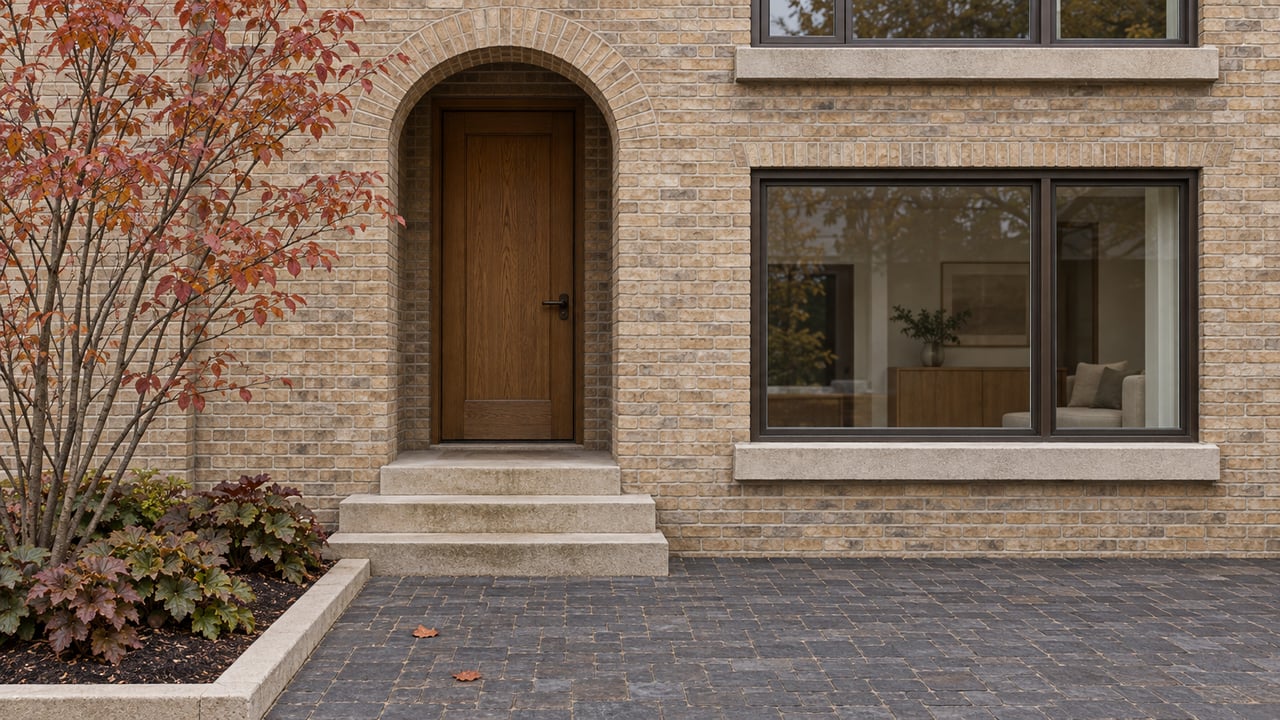
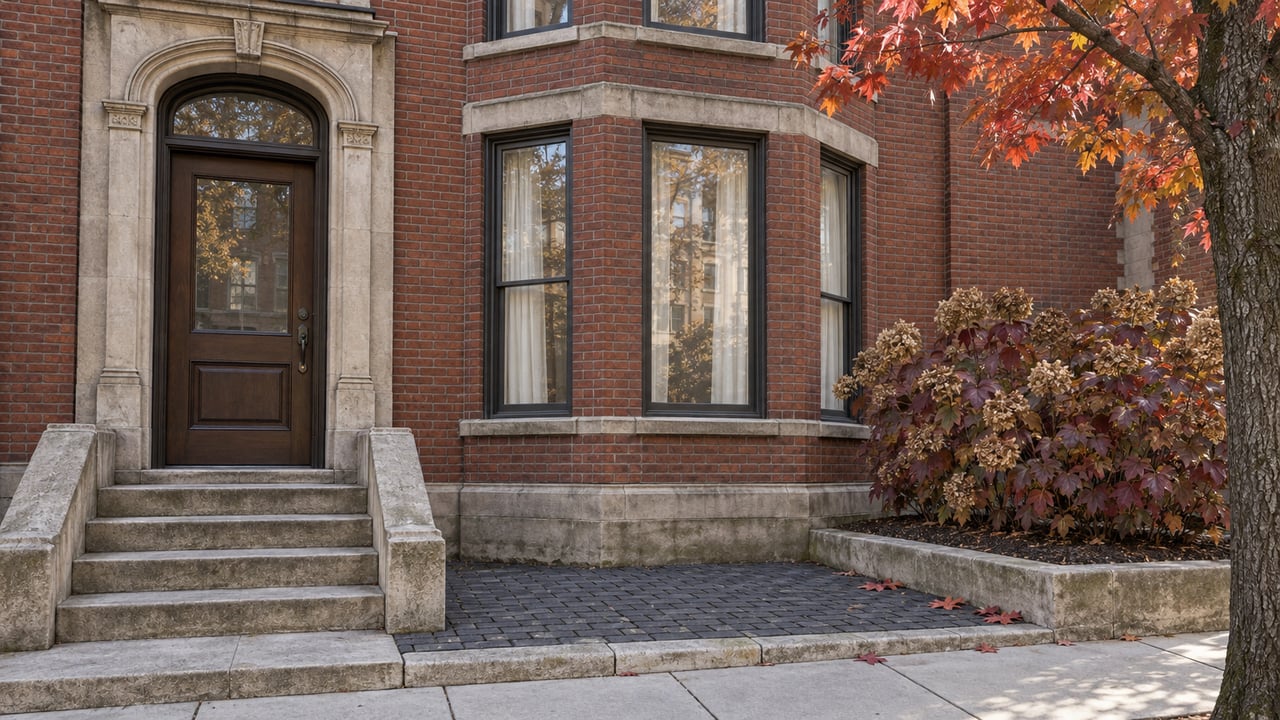
Your exterior sets the tone for every showing and every online photo. In many cases, the best curb appeal updates are also the simplest ones. Light landscaping, clean hard surfaces, and a refreshed front entry can make the whole property feel more cared for.
Realtor.com’s seller survey found that repainting, updating fixtures, and light landscaping were among the most common prep projects. These are often more practical than major exterior renovations, especially when your goal is to present a clean, well-maintained home.
Easy curb appeal priorities
Consider focusing on:
- Trimming shrubs and trees
- Cleaning walkways and exterior surfaces
- Touching up paint where wear is visible
- Refreshing the front door area
- Replacing dated or worn exterior light fixtures
- Removing clutter from porches, driveways, and yard areas
These steps help buyers feel that the property has been maintained, which can shape their impression before they even enter the home.
Check permit rules before bigger projects
If you are considering more than simple maintenance, pause before starting. Montgomery County notes that many routine tasks such as painting, repairing walls, replacing floor coverings, gutters, siding, and windows or doors without changing the opening size most likely do not require a permit. However, projects like decks, fences, additions, electrical work, and exterior work on historic property often do.
The county also notes that municipality and HOA rules may apply. In Chevy Chase, that extra layer can matter, so it is worth confirming requirements before taking on larger work.
Prioritize repairs that build buyer confidence
Inside the home, buyers notice appearance, but they also notice signs of deferred maintenance. Cosmetic work can help, but it should not come at the expense of fixing real issues. In many cases, the most valuable prep is the work that makes a buyer feel comfortable moving forward.
Maryland law requires standardized residential property disclosure or disclaimer forms in applicable sales. The law also makes clear that disclosure is not a substitute for an independent inspection and requires disclosure of known issues involving items such as water intrusion, structural systems, plumbing, electrical, HVAC, pests, hazardous materials, smoke alarms, and carbon monoxide alarms.
Where to spend first
If your budget is limited, start with items that could affect a buyer’s trust or an inspection report. That may include:
- Addressing known leaks or water intrusion
- Repairing electrical or plumbing problems
- Servicing HVAC systems if needed
- Replacing missing or nonworking smoke alarms
- Confirming carbon monoxide alarms are in place where required
- Fixing visible wall or flooring damage
These are not flashy upgrades, but they can reduce buyer hesitation. A home that looks polished and functions well is easier for buyers to say yes to.
Keep cosmetic updates targeted
Not every home needs a full remodel before listing. In fact, a modest and disciplined prep plan is often the better choice. In a market like Chevy Chase, where homes can command strong prices but price drops are also common, over-improving can be just as risky as doing too little.
The goal is not to redesign your house for someone else. The goal is to make it feel clean, current, and easy for buyers to understand.
Smart cosmetic changes
Targeted updates may include:
- Neutral paint in worn or highly personalized rooms
- Updated light fixtures where dated finishes stand out
- Minor hardware replacements in kitchens or baths
- Deep cleaning carpets or replacing badly worn flooring
- Removing oversized or excess furniture
These smaller choices can help buyers focus on the home itself instead of the distractions.
Stage the rooms buyers care about most
Staging works best when it helps buyers picture themselves living in the home. According to NAR’s 2025 staging report, 83% of buyers’ agents said staging made it easier for buyers to visualize a property as a future home. That is a strong reason to give staging real attention, even if you keep it simple.
The same report found that the most commonly staged rooms were the living room, primary bedroom, and dining room. If you do not want to stage every space, start there.
Best rooms to stage first
Focus first on:
- Living room
- Primary bedroom
- Dining room
These rooms often carry the emotional weight of a showing. When they feel bright, spacious, and functional, the rest of the home tends to show better too.
What effective staging looks like
Good staging does not mean filling a room with decor. It usually means the opposite. Clean lines, clear walking paths, balanced furniture placement, and a calm look can help a buyer understand scale and flow.
For many Chevy Chase homes, that may mean editing furniture, softening bold decor, and making sure natural light is a feature. The home should feel polished, but still believable.
Get photo-ready before you launch
Most buyers begin online, so your listing photos need to do more than document the home. They need to create interest quickly. NAR reports that 81% of buyers rated listing photos as the most useful feature during their home search, and its seller guidance says high-resolution photos and video tours are a must.
This is why pre-list prep is part of marketing, not just cleaning. If your home is not ready by photo day, buyers will see that immediately.
What to finish before the photo shoot
According to NAR’s seller photo-shoot guidance, the home should be truly ready before the first photo is taken. That means completing:
- Deep cleaning
- Decluttering
- Removal of excess furniture
- Punch-list repairs
- Final styling and staging touches
NAR also notes that buyers who like what they see online expect the same home in person. A strong first photo, whether it is the best exterior angle or a standout interior image, can help capture early interest.
Follow a simple prep timeline
If you are several months away from listing, you do not need to do everything at once. A steady sequence can keep the process organized and help you avoid overspending.
A practical prep order based on the research is to start with valuation and a walk-through, then move to repairs and refreshes, and save staging, deep cleaning, and photography for the final stretch before launch.
A practical seller sequence
| Timing | Priority |
|---|---|
| 6 to 12 months out | Valuation and local walk-through |
| 3 to 6 months out | Repairs, maintenance, and selected refreshes |
| 2 to 6 weeks out | Decluttering, staging, and deep cleaning |
| Just before listing | Professional photography and final polish |
This kind of sequence gives you room to make smart decisions without turning preparation into a full renovation project.
What not to overdo
One of the biggest mistakes sellers make is assuming more spending always leads to a better result. In reality, buyers tend to respond best to homes that feel well maintained, well presented, and appropriately priced. That is different from a home loaded with improvements that may not match market expectations.
If you are preparing your Chevy Chase home for today’s buyers, think in terms of clarity and confidence. Fix what matters, refresh what shows wear, and present the home at its best. That usually delivers a better result than chasing every possible upgrade.
Thoughtful preparation can make your next move feel much more manageable. If you want a clear plan for what to do now, what to skip, and how to position your home in the Chevy Chase market, Ira Hersh can help you prepare with a steady, experienced approach.
FAQs
What should Chevy Chase sellers do before making home updates?
- Start with a home valuation and local walk-through so you can focus on improvements that support value, buyer confidence, and marketability.
What repairs matter most when selling a home in Chevy Chase?
- Prioritize known issues that could affect buyer trust or inspection results, such as water intrusion, structural concerns, plumbing, electrical, HVAC, smoke alarms, and carbon monoxide alarms.
What rooms should sellers stage before listing a Chevy Chase home?
- The living room, primary bedroom, and dining room are the best places to start because those rooms are commonly staged and often shape a buyer’s overall impression.
Why are listing photos so important for Chevy Chase home sales?
- Many buyers start online, and NAR reports that listing photos are the most useful search feature for a large share of buyers, so strong visuals can help your home stand out early.
Do Chevy Chase homeowners need permits for pre-sale improvements?
- Many routine tasks such as painting or replacing floor coverings most likely do not require permits in Montgomery County, but larger projects like decks, fences, additions, electrical work, and some historic-property exterior work often do.