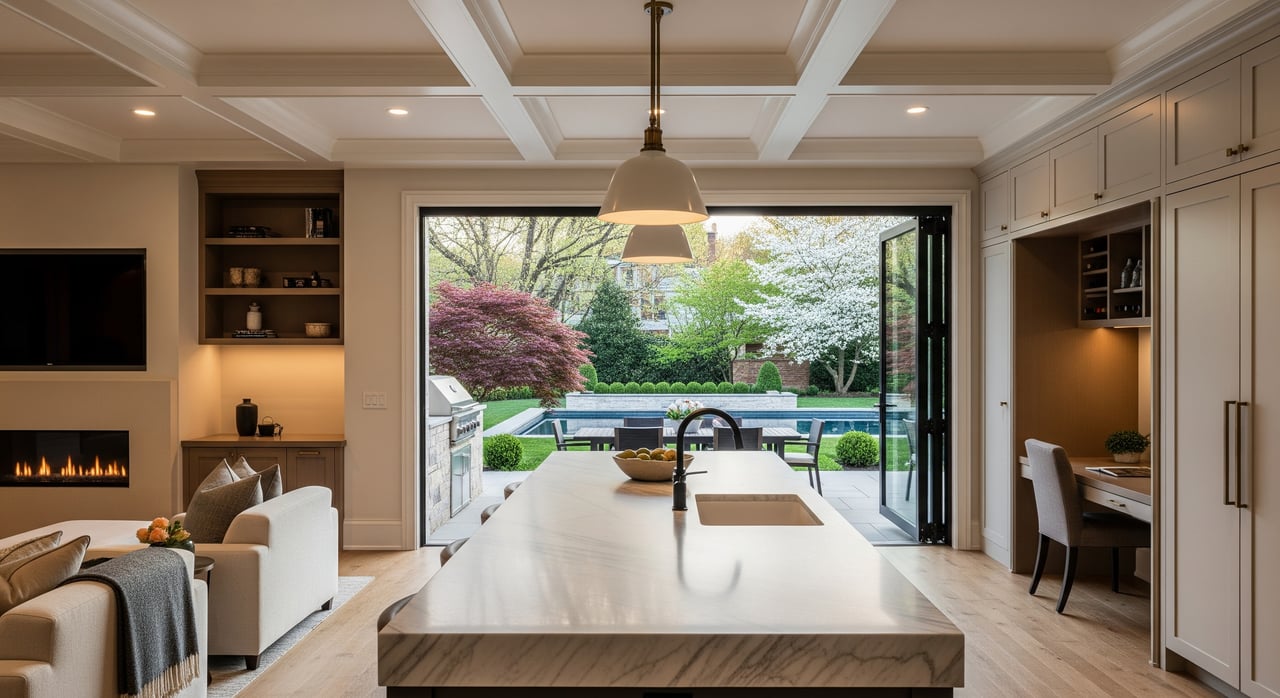
Thinking about selling this spring or planning smart upgrades before you buy? In Bethesda and across Montgomery County, buyers look for practical, well-finished homes that are easy to live in on day one. You want to invest where it counts, without overspending or missing what today’s shoppers expect. This guide breaks down the features that stand out, what they cost in broad terms, and how to prioritize for a successful sale.
Let’s dive in.
What Bethesda buyers value now
Bethesda-area buyers often balance busy careers with family life. They look for convenient commutes, proximity to parks and shopping, and homes that feel current without long project lists. Modern systems, reliable mechanicals, and flexible rooms for work or guests rank high.
In this higher-cost suburban market, you can expect buyers to compare finishes and the age of systems closely. Walkability, access to transit, and usable outdoor space add a noticeable premium, especially near Metro and neighborhood centers.
Top features buyers want
Updated kitchens
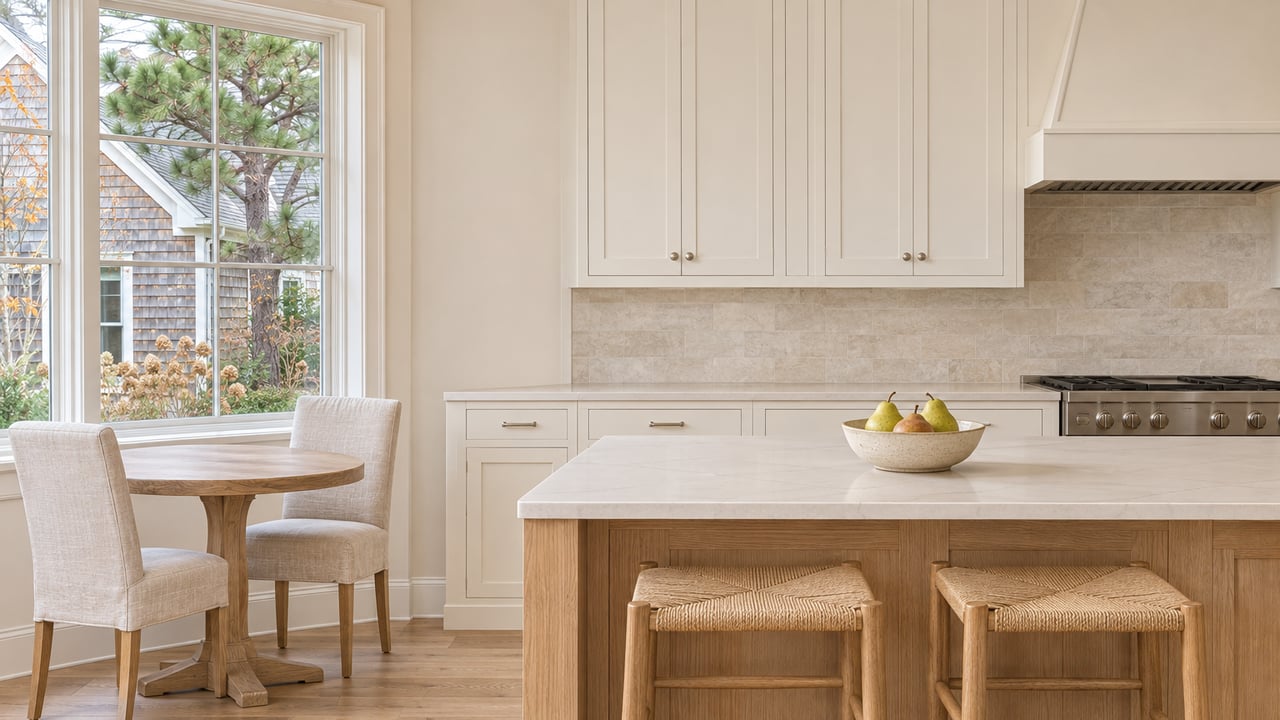
Buyers still put kitchens at the top of the list. In Bethesda, that means durable counters, quality appliances, good lighting, and storage that suits daily life. Neutral, well-lit kitchens photograph well and help listings stand out.
- Light refresh ideas: repaint or refinish cabinets, update hardware, swap a faucet, add a new backsplash, and replace worn countertops. Typical costs range from the low to mid four figures to the low five figures, depending on materials and scope.
- Full remodels: new cabinets, counters, appliances, and possible layout changes. Budgets can range from the mid five figures to six figures.
- ROI notes: Minor updates often recoup a high share of cost and boost buyer appeal. Full remodels attract attention, but should be measured against nearby comparables and your target price.
- Seller tip: Prioritize layout and lighting. Keep finishes timeless and coordinated.
Home office and flexible spaces
Remote and hybrid work remain part of daily life. Buyers value a quiet, dedicated room for calls and focus. In smaller homes, smart built-ins and sound control help.
- Quick wins: add task lighting, built-in shelves, and cable management for a tidy look.
- Minor conversion: add a door, a few outlets, or better internet wiring. These are usually low to mid cost projects.
- Seller tip: Stage one clear office area for photos so buyers see where work fits.
EV charging readiness and parking
Interest in EVs is growing in this region, so buyers increasingly look for off-street parking and the ability to charge at home. A garage or driveway with 240V potential is a plus.
- What to know: Local utility and county permitting can affect timelines and costs. Federal and state incentives may help with eligible equipment, so keep receipts and documentation.
- Typical costs: A Level 2 charger plus basic electrician install often falls in the lower four figures. If your electrical panel needs an upgrade, total costs can increase.
- Seller tip: If you cannot install before listing, market the home as EV-ready where appropriate and provide a written estimate from a licensed electrician.
Outdoor living and landscaping
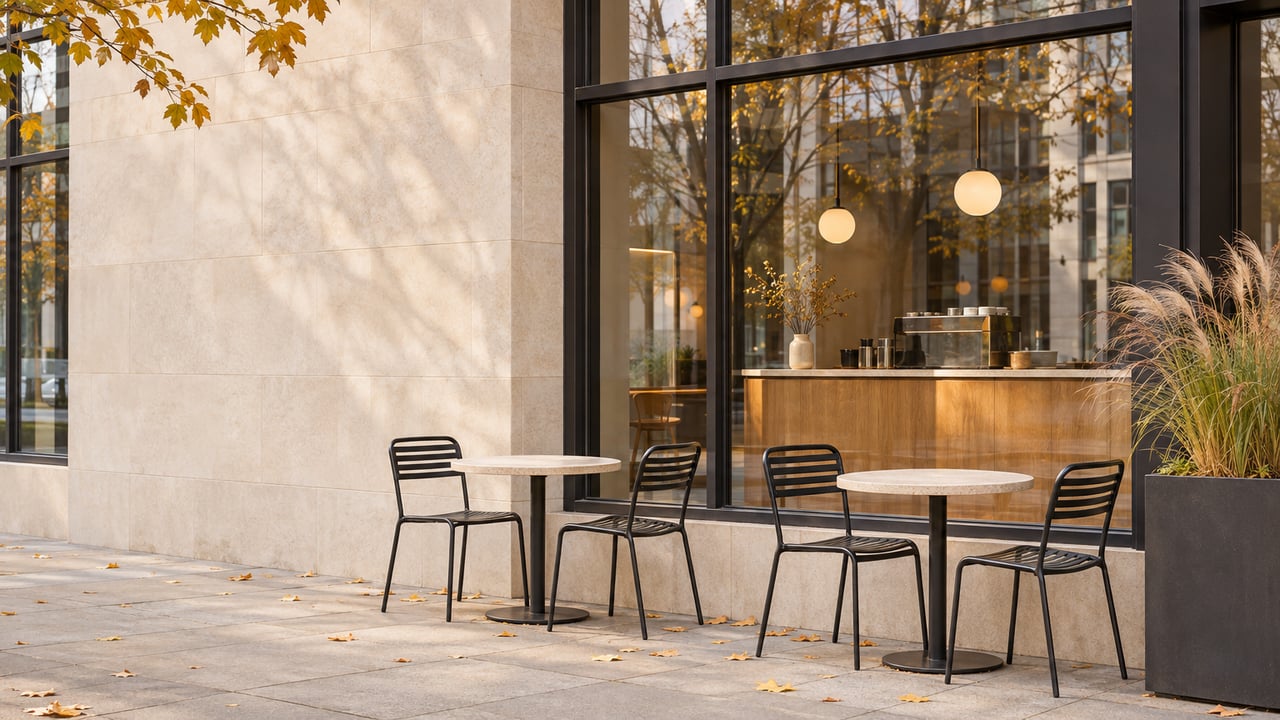
Buyers value patios, decks, and fenced yards as true extensions of living space. Even a small, well-staged outdoor area can make a strong first impression in denser Bethesda neighborhoods.
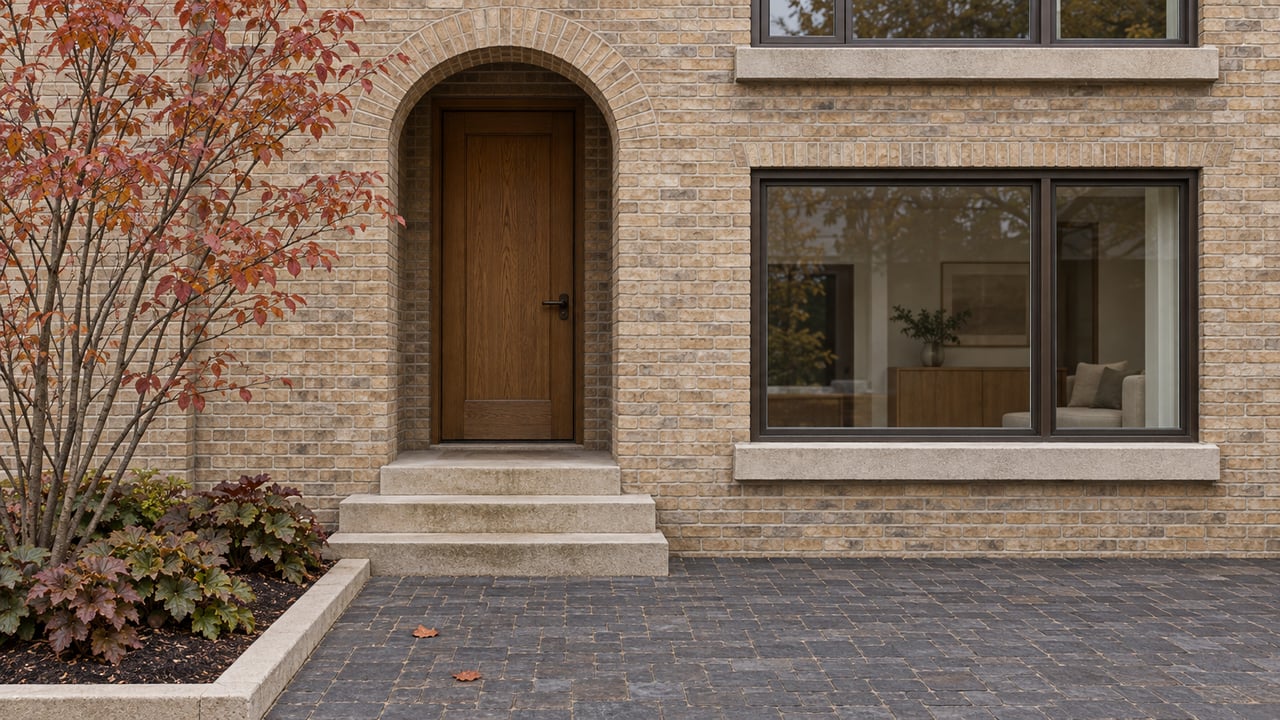
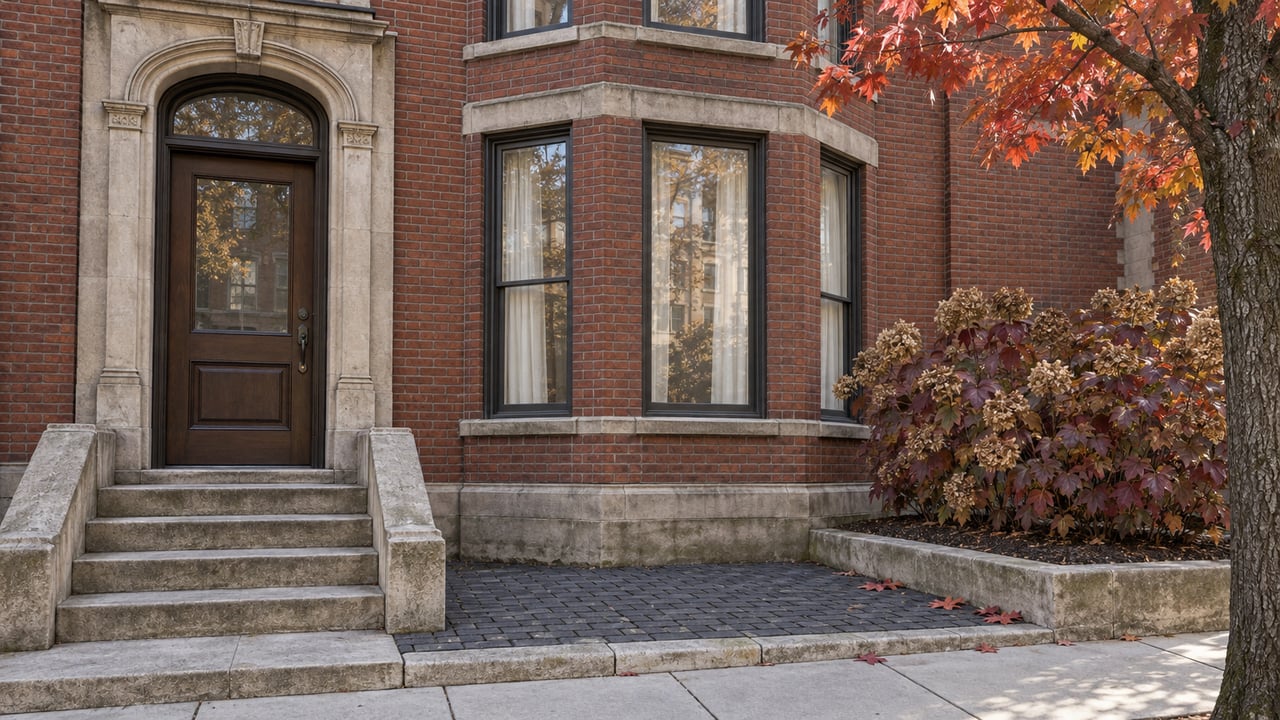
- Low-cost curb appeal: fresh mulch, trimmed shrubs, seasonal plants, power-washed walks, and updated house numbers or a mailbox.
- Mid-range projects: a modest deck or patio, simple privacy fencing, or outdoor lighting.
- Bigger builds: large deck expansions or outdoor kitchens should be weighed against neighborhood comps.
- Seller tip: Stage outdoor seating and show the connection from kitchen or family room to the outside.
Energy-efficient systems and modern HVAC
Efficient homes feel comfortable and promise lower utility costs. Buyers respond to newer HVAC systems, heat pumps, updated insulation, and recent roofs or water heaters.
- Incentives: Federal tax credits and state or local rebates may apply to heat pumps, insulation, and solar. Keep warranty details and invoices organized.
- Typical costs: HVAC or heat pump replacements often range from the mid to high four figures into the five figures, depending on home size and ductwork. Insulation and air sealing can land in the low to mid four figures in many cases.
- Seller tip: Highlight recent upgrades in the listing with dates, expected savings, and warranty information.
Smart home, mechanicals, and storage
Smart thermostats, basic security systems, modern water heaters, and tidy storage areas all increase the feeling of “move-in ready.” Garage organizers, clean attics, and usable basements help buyers visualize daily life.
How to prioritize for a spring listing
Focus on what removes objections and improves first impressions:
- Safety and systems: roof, HVAC, electrical, and plumbing. Fix obvious issues and gather documentation.
- Kitchen updates: do a targeted refresh if the kitchen feels dated compared with nearby homes.
- Curb appeal and outdoor staging: make the front and backyard photo-ready.
- Home office setup: show at least one dedicated workspace.
- Cost-effective efficiency: smart thermostat, LED lighting, and insulation touch-ups.
- EV readiness: add a Level 2 setup if it is quick and low cost, otherwise market the potential.
Budget and timelines at a glance
Timelines
- Light staging, paint touch-ups, and minor repairs: 1 to 3 weeks.
- Minor kitchen refresh and landscaping: 2 to 6 weeks.
- Major remodels or systems upgrades: 6 weeks to several months. Plan early or adjust pricing.
Typical budget ranges
- Light staging and prep: $500 to $5,000.
- Minor kitchen refresh: $5,000 to $30,000.
- Full kitchen remodel: $30,000 to $150,000+.
- Bathroom refresh: $3,000 to $20,000.
- Level 2 EV charger with basic install: $1,000 to $4,000, higher if panel upgrades are needed.
- Heat pump or HVAC replacement: $4,000 to $20,000+, depending on type and size.
Always secure local contractor quotes and compare your plan to neighborhood sales.
8-week spring prep checklist
8 weeks out
- Walk the property with a notepad to flag repairs.
- Line up quotes for paint, light carpentry, and landscaping.
- Decide on kitchen updates and order materials with lead times.
4 weeks out
- Complete paint touch-ups in high-visibility areas.
- Begin kitchen refresh tasks and hardware swaps.
- Schedule power washing and seasonal yard cleanup.
- Set up a dedicated home office vignette.
1 week out
- Deep clean interior spaces, especially kitchen and baths.
- Declutter surfaces and store non-essentials offsite if needed.
- Replace bulbs and open blinds for maximum light.
- Stage outdoor seating and check exterior lighting.
Listing week
- Final tidy and touch-ups.
- Prepare documentation: service records, warranties, manuals, permits, and recent utility bills.
- Book professional photography, including early-morning or twilight exteriors.
Marketing and documentation tips
- Be specific in your listing: year and type of HVAC, roof age if known, water heater type, and any energy-efficient improvements.
- Call out EV-ready elements or a recent Level 2 charger where applicable.
- Note flexible spaces that work as a bedroom, office, or playroom.
- Keep a simple feature sheet at showings with upgrade dates and warranty details.
Ready to sell or upgrade in Bethesda?
If you want help prioritizing projects for the strongest return, a quick walk-through and plan can save weeks of trial and error. For pricing, staging, and timing tailored to your neighborhood, connect with a local advisor who understands what moves the needle for buyers here. Reach out to Ira Hersh to talk strategy for your spring listing.
FAQs
Will a full kitchen remodel pay off for resale in Bethesda?
- A modest refresh often delivers better short-term ROI than a full gut. Major remodels can attract higher-end buyers, but weigh costs against nearby comparables and your target price.
Should I install an EV charger before listing my home?
- If a Level 2 charger can be installed quickly and at low cost, it can help your listing stand out. If a panel upgrade is required, consider marketing EV-ready potential with an electrician’s estimate instead of delaying.
What matters more: a home office or another bedroom?
- Buyers like dedicated offices, but flexible rooms that function as either a bedroom or an office usually perform best. Versatility appeals to a wider range of needs.
Are energy efficiency upgrades worth doing before I sell?
- Cost-effective, documentable improvements like a smart thermostat, insulation touch-ups, or a newer HVAC can increase appeal and reduce buyer concerns. Large projects should be evaluated against neighborhood price ceilings.
What permits and paperwork should I gather for buyers?
- Keep contractor invoices, permits for any permitted work, appliance manuals, warranties, and recent utility bills. If you are in a condo or HOA, confirm any rules that affect exterior or electrical changes and share known guidelines.